

Music & Identity | Music & Resistance
viewed in the context of the gramophone record industry since the 1950s
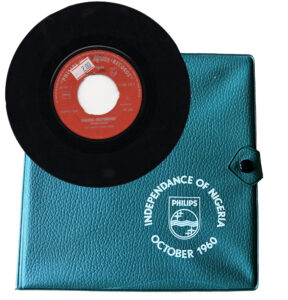
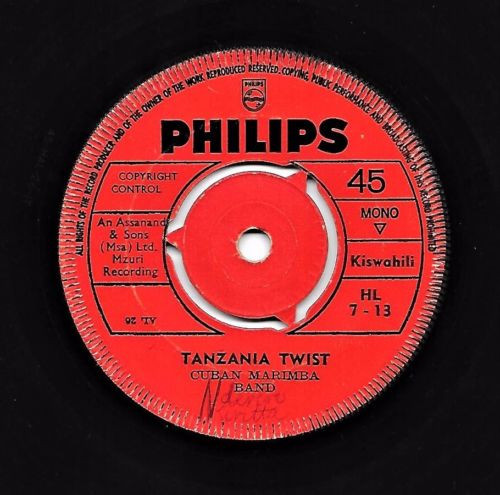
The Wandering Microphone is a multimedia narrative about traveling music, identity, and resistance — viewed within the context of the global record industry, particularly the Philips label.
Taking old Philips records from the 1950s to the 1980s as a starting point, the project traces the trail back to Ghana, Nigeria, Colombia, Brazil, Singapore, and beyond: places where Philips set up studios and recorded vernacular music by local musicians. In the Netherlands and in each of these countries, we meet (descendants of) local music heroes that were involved in these recordings, ánd contemporary artists who experience the music as a source of inspiration. They listen to vinyl records and reflect on the meaning of the music, then and now.
From the 1920s onwards – and since the fifties as a serious business – the record industry set in motion a global music circulation — from samba to highlife, from kroncong to rumba. This was music born in former colonial port cities and working-class neighborhoods, that brought about a true musical revolution, recorded on vinyl and at first carried across the globe by sailors, migrants, and adventurers.
In the post-colonial era, these sounds became powerful tools for identity and resistance: highlife resonated through the struggle for independence in Ghana and Nigeria; African rhythms became a symbol of Afro-Caribbean pride in Colombia, of which local variants emerged, such as champeta in the 70s and 80s; and Cuban rumba – itself already shaped by African influences – was reinterpreted in Congo and Tanzania and the local twist of this music became an expression of dignity and unity. In the Netherlands, kroncong music and the sound of the ukulele made people long for bygone times on the other side of the ocean, for the country they had sometimes been forced to leave, while in Indonesia and Maleysia new recorded music gave musicians and local inhabitants the possibility to breathe life into a new era with music they could feel familiar with.
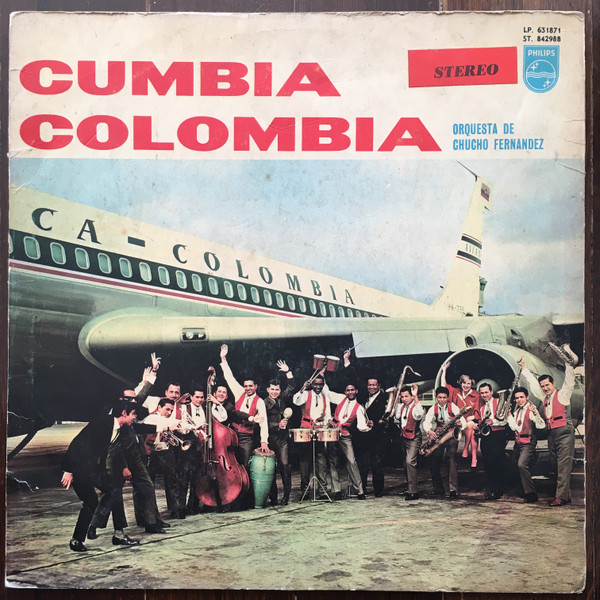
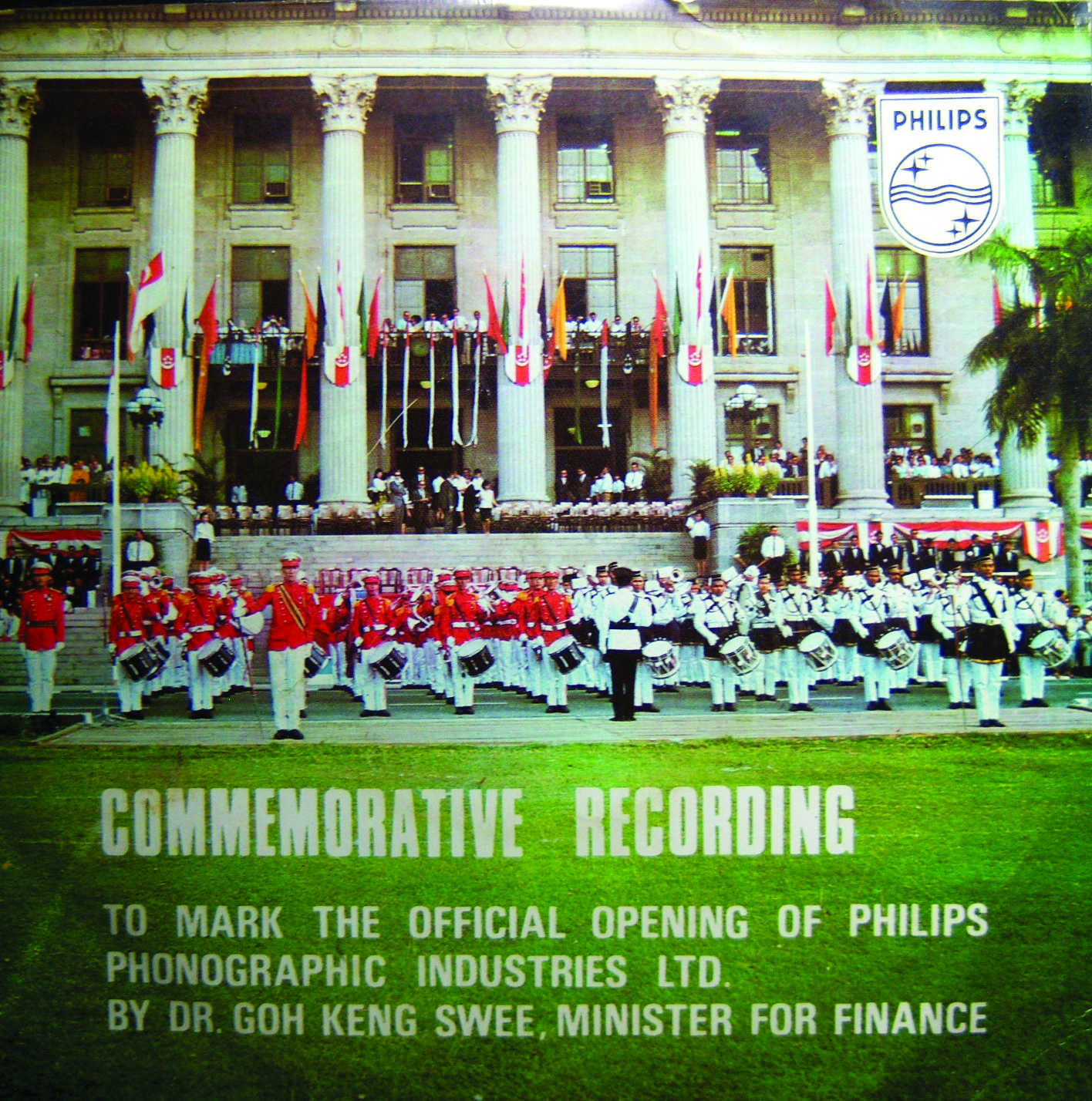

For Philips the gramophone record was a commercial product, mostly made with love for music, but for the local people it was a time capsule, a vessel of memory, and a tool of cultural reaffirmation. Music we think of as typically West-African, Colombian or Indonesian has already traveled far and been transformed many times over. The Wandering Microphone uncovers the stories behind the grooves: how music blended and reshaped identities along the way, and how deeply interconnected the world’s music has always been.
The wanderings of music continue, as do the ongoing changes in new contexts. Such as for Ghanaian musicians in the Netherlands who want to honor and revitalize highlife, their roots music, but also encounter prejudices regarding the music genre, being ‘happy-face music’, while the music has underlying layers – a political message, or an expression of mourning or grief, which is processed within Ghanaian culture through cheerful notes, something that is not recognized by a European audience.
Listening to old gramophone records triggers stories and memories and brings to light the identity contemporary musicians derive from the music of their birthtown and against what they rebel in our actual turbulent times.
The result of this journey will be a visually rich multimedia e-book — weaving together film, audio, archive images, and record covers — that invites you to listen differently, and to discover that we are already more mixed and connected than we think.
Research & production: 2022–2027 | Possible launch: 2027 / 2028


